
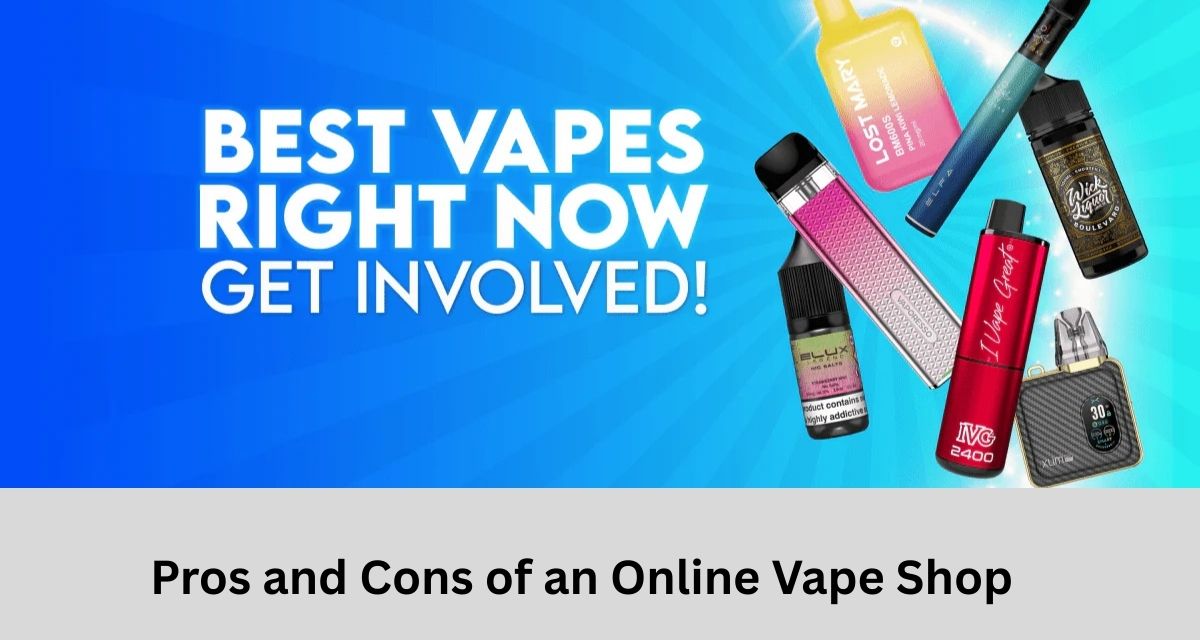
Operating an online vape shop in a city like Dubai presents a mix of attractive commercial opportunities and significant challenges. The marketplace, consumer behavior, and logistics advantages of e-commerce combine with complex regulatory, reputational, and ethical responsibilities. Below I break down the main advantages and disadvantages entrepreneurs or analysts should weigh — focusing on business strategy, risk management, ethics, and public health responsibilities.
Pros
1. Large, affluent customer base and strong e-commerce adoption
Dubai is a regional commercial hub with a diverse, relatively affluent population and high smartphone/internet penetration. Many consumers prefer online shopping for convenience, discrete delivery, and product variety. For an e-commerce business, that can mean a sizable customer pool and strong digital payment infrastructure.
2. Lower overhead than bricks-and-mortar
Running an online shop typically reduces fixed costs (no high-street rent, fewer on-site staff). This allows the business to allocate capital to product sourcing, compliance, digital marketing, and customer service. Lower overhead can make experimentation with product lines, pricing, and promotions easier.
3. Ability to offer a wide product assortment
An online store can display a broader catalog than a physical shop — multiple brands, flavors, device models, accessories, and replacement pods/cartridges — without needing shelf space. This appeals to customers seeking variety and niche products.
4. Data-driven marketing and personalization
E-commerce platforms enable detailed tracking of customer behavior, which supports targeted promotions, email campaigns, and personalized product recommendations. When used ethically and in compliance with privacy laws, this can increase conversion rates and customer lifetime value.
5. Scalability and cross-border potential
An effective digital operation can scale more easily: marketing campaigns can be expanded, logistics optimized, and the same platform may serve nearby Emirati or GCC markets (subject to legal constraints). Automation (order management, customer communication) makes scale manageable.
6. Reduced stigma and discreet shopping
Some adult consumers prefer discreet purchasing channels for personal reasons. An online shop allows privacy through non-explicit packing and online transactions — again, this is a business convenience rather than a promotion of use.
Cons
1. Regulatory uncertainty and legal risk
One of the largest drawbacks is the regulatory landscape. Age restrictions, import restrictions, advertising bans, and product classification can vary and change. Operating without full legal compliance risks fines, seizure of stock, and business closure. Even if local laws permit certain products, customs or postal rules may block imports. Regulatory risk is especially acute for nicotine-containing products and devices.
2. Ethical and reputational responsibilities
Selling nicotine or vaping products places a business under ethical scrutiny. There is high public health concern about youth uptake and long-term health effects. Any perceived marketing to minors or lax age verification can cause reputational damage, social media backlash, or boycotts — harming future prospects even if legally compliant.
3. Age-verification and compliance costs
Strict age-verification systems and identity checks are necessary to prevent sales to minors. Implementing robust compliance (digital ID checks, verification at delivery, KYC processes) increases cost and complexity. Failure to implement them correctly risks legal trouble and serious reputational harm.
4. Payment and banking challenges
Some payment processors and banks restrict merchants selling age-restricted or controversial goods. This can make it harder to secure reliable online payment gateways, merchant accounts, or favorable fees. It may force reliance on riskier or more expensive payment options.
5. Logistic and customs hurdles
Delivering products that may face import restrictions or customs scrutiny adds fragility to fulfillment. Postal services or courier companies may refuse to ship certain devices or liquids; shipments can be delayed or confiscated. Reliable, compliant logistics arrangements often cost more than standard shipping.
6. Advertising and platform limitations
Major ad platforms or social networks often restrict paid advertising for nicotine or vaping products. That reduces paid-media channels and increases reliance on organic marketing, SEO, influencer partnerships (which themselves require careful compliance), and email lists. Organic growth can be slower and more effortful.
7. Competition and price pressure
If the market is already served by established online retailers or grey-market sellers, price competition can be fierce. Margins may be squeezed by discounting, import duties, or shipping costs. Competing on price alone can be unsustainable; differentiation (customer service, trust, compliance) becomes crucial.
8. Public health scrutiny and potential policy shifts
Because vaping is a public health concern, policy can change quickly in response to research or public pressure. Sudden tightening of rules (bans, higher taxes, marketing restrictions) can materially impact business viability. Investors and lenders may view the sector as volatile.
Operational and Strategic Considerations (mix of pro/con)
1. Building trust through compliance and transparency (pro)
Committing to the highest compliance standards — strict age verification, clear product labeling, and transparent sourcing — becomes a competitive advantage. Responsible operators can attract adult customers who value safety and reliability.
2. Niche positioning vs mass market (pro/con)
Focusing on adult harm-reduction products, accessories, or premium devices can create a defensible niche. However, narrow niches may limit growth unless expanded carefully. Conversely, broad catalogs attract more buyers but increase compliance and inventory complexity.
3. Partnerships and local expertise (pro)
Working with local legal counsel, customs brokers, and logistics partners reduces regulatory surprises and helps tailor operations to the local environment. These partnerships cost money but substantially lower operational risk.
4. Corporate social responsibility and education (pro)
A business can invest in clear messaging about age limits, health warnings, and safe product use — positioning itself responsibly in the market. This both reduces risk and aligns with ethical expectations, but may reduce certain marketing levers.
Risk Mitigation Recommendations (ethical-focused, non-operational)
(These are high-level suggestions relevant to any business and do not explain how to sell or procure age-restricted goods.)
- Prioritize legal review before launch and keep compliance under continuous review.
- Build robust, verified age-check systems and clear internal policies preventing sales to minors.
- Develop transparent product information and avoid any imagery or language that could appeal to young people.
- Use reputable payment and logistics partners that require and support compliance.
- Maintain contingency plans for rapid regulatory change (holding less risky inventory, flexible marketing).
Ethical and social considerations
Running an online vape shop carries societal weight — the business interacts with public health debates and youth protection concerns. Being a responsible market participant means balancing commercial aims with strict protection of minors and unbiased information for adult consumers. Any business narrative should make clear it does not serve or target minors and actively prevents access.
Conclusion
An online vape shop in Dubai offers potential commercial benefits: e-commerce scalability, cost efficiencies, and market demand from adult consumers. However, these benefits are counterbalanced by substantial regulatory, ethical, logistical, and reputational risks. For anyone studying the idea — whether for a business class or market research — the crucial takeaway is that responsibility and compliance must be the foundation of any plan: strong legal advice, robust age-verification, transparent practices, and careful marketing. Without those pillars, the legal and public-health risks are likely to outweigh the upside.
