
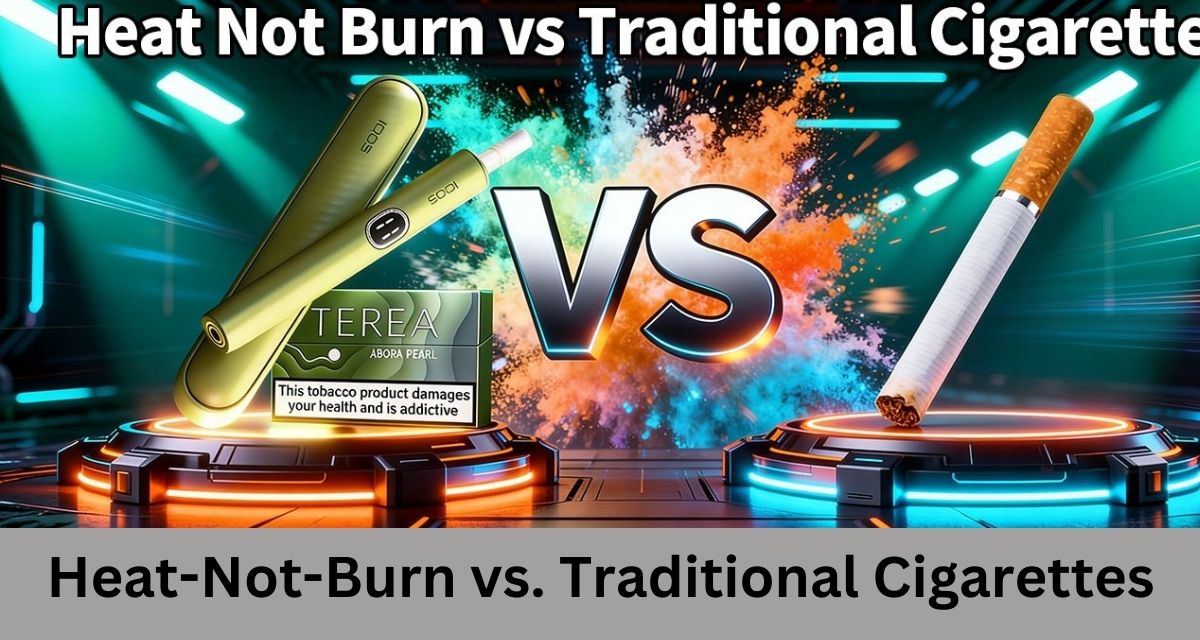
The global conversation around smoking alternatives has intensified in recent years as adult smokers look for options that fit modern lifestyles and evolving preferences. One of the most talked-about developments is heat-not-burn Device technology, which is often compared directly with traditional combustible cigarettes. While both are designed for adult users who consume tobacco or nicotine, the way they function, how they are experienced, and how they fit into daily life differ in important ways. Understanding these differences helps clarify why many adult smokers are exploring heat-not-burn products as an alternative to conventional smoking.
This article provides a detailed, neutral, and comprehensive comparison of heat-not-burn products versus traditional cigarettes, focusing on technology, user experience, convenience, lifestyle impact, and practical considerations.
1. How Traditional Cigarettes Work
Traditional cigarettes rely on combustion. When a cigarette is lit, the tobacco burns at very high temperatures, typically exceeding 600°C during a puff and reaching even higher temperatures between puffs.
Key characteristics of traditional cigarettes include:
- Tobacco is burned, not heated
- Smoke is produced through combustion
- Ash is created as tobacco and paper burn
- Smoke is inhaled into the lungs
The burning process is central to how cigarettes deliver nicotine and flavor, but it also defines many of their well-known characteristics.
2. How Heat-Not-Burn Technology Works
Heat-not-burn products use a different approach. Instead of burning tobacco, these devices heat specially designed tobacco sticks or units to a controlled temperature that is high enough to release nicotine and flavor but below the point of combustion.
Core features of heat-not-burn systems:
- Tobacco is heated, not burned
- Operating temperatures are significantly lower than combustion
- No flame is involved
- Aerosol is produced instead of smoke
Because there is no burning, the physical process is fundamentally different from traditional cigarettes.
3. Combustion vs. Heating: The Core Difference
The most important distinction between heat-not-burn and traditional cigarettes lies in combustion versus controlled heating.
Traditional Cigarettes:
- Burn tobacco
- Produce smoke through combustion
- Generate ash and cigarette butts
Heat-Not-Burn Products:
- Heat tobacco without burning
- Produce an aerosol rather than smoke
- Leave no ash
This single difference influences nearly every other aspect of the experience.
4. Smoke vs. Aerosol
Another major difference is the form of inhaled output.
Traditional Cigarettes produce smoke, which is the result of burning tobacco and paper. Smoke contains fine solid particles, gases, and residues that linger in the air.
Heat-Not-Burn Products produce an aerosol formed by heating tobacco. This aerosol is typically lighter, less dense, and dissipates more quickly than cigarette smoke.
From a user perspective:
- Cigarette smoke is thick and persistent
- HNB aerosol is generally less visible
- HNB produces no ash particles in the air
This difference affects both personal comfort and social settings.
5. Odor and Lingering Smell
Odor is one of the most noticeable differences between the two.
Traditional Cigarettes:
- Produce a strong, recognizable smell
- Odor lingers on clothes, hair, and furniture
- Smoke smell remains in indoor spaces for long periods
Heat-Not-Burn Products:
- Typically produce a milder aroma
- Smell dissipates faster
- Less lingering scent on clothing and surroundings
For many users, reduced odor is a key reason for considering heat-not-burn products.
6. Ash and Cleanliness
Traditional cigarettes create ash as a natural result of combustion. This ash must be tapped off and disposed of, often leaving residue.
Heat-not-burn products, by contrast:
- Produce no ash
- Do not require ashtrays
- Result in a cleaner overall experience
This makes HNB products more convenient in many everyday situations.
7. User Experience and Ritual
Smoking is not only about nicotine delivery; it also involves ritual and habit.
Traditional Cigarettes:
- Require lighting with a flame
- Involve tapping ash
- Have a well-established smoking ritual
Heat-Not-Burn Products:
- Use an electronic heating device
- Require charging and device management
- Offer a more modern, tech-based ritual
Some users appreciate the familiarity of traditional cigarettes, while others enjoy the updated ritual of HNB devices.
8. Convenience and Practical Use
Both options offer convenience, but in different ways.
Traditional Cigarettes:
- No charging required
- Ready to use at any time
- Simple and familiar
Heat-Not-Burn Products:
- Require charging
- Involve device care and cleaning
- Often include session timers or usage limits
While cigarettes are straightforward, HNB products introduce electronic convenience at the cost of device management.
9. Portability and Accessories
Traditional cigarettes require minimal accessories: a lighter and a pack.
Heat-not-burn systems typically involve:
- A heating device
- Tobacco sticks or units
- Charging equipment
This means HNB products may require more preparation, but they also offer more controlled use.
10. Indoor and Social Acceptability
Social attitudes toward smoking have changed significantly.
Traditional Cigarettes:
- Widely restricted in indoor and public spaces
- Strong odor can be socially intrusive
- Smoke can affect bystanders
Heat-Not-Burn Products:
- Often perceived as less intrusive due to reduced odor
- Aerosol dissipates faster
- Sometimes considered more socially acceptable
However, rules vary by location, and users must always follow local regulations.
11. Control and Consistency
Heat-not-burn devices are engineered to deliver consistent heating during each session.
Advantages include:
- Controlled temperature
- Predictable session length
- Uniform experience from stick to stick
Traditional cigarettes vary more depending on how they are smoked, puffed, or left burning.
12. Waste and Residue
Traditional cigarettes produce:
- Cigarette butts
- Ash
- Packaging waste
Heat-not-burn products produce:
- Used tobacco sticks
- Electronic device waste over time
While both create waste, the type and handling of waste differ.
13. Lifestyle Fit and Modern Preferences
Heat-not-burn products are often designed with modern lifestyles in mind.
Lifestyle considerations include:
- Sleek, minimalist device designs
- Reduced odor in shared spaces
- Tech-driven usage
Traditional cigarettes remain simple and familiar but may feel less aligned with evolving social norms.
14. Learning Curve
Traditional cigarettes require virtually no learning.
Heat-not-burn products:
- Require understanding device operation
- Involve charging and maintenance
- May take time to adjust to heating sessions
This learning curve can be a barrier for some users but appealing to others.
15. Cost Structure
Cost comparison depends on usage patterns.
Traditional Cigarettes:
- Ongoing daily purchases
- Predictable cost per pack
Heat-Not-Burn Products:
- Initial device investment
- Ongoing cost of tobacco sticks
- Potential long-term cost differences
Users often evaluate value based on long-term habits rather than upfront price.
16. Sensory Differences
The sensory experience differs between the two.
Traditional cigarettes:
- Strong throat hit
- Dense smoke
- Familiar taste
Heat-not-burn products:
- Smoother draw
- Lighter aerosol
- More subtle flavor release
Preference depends on individual expectations.
17. Adaptation and Transition
Some adult smokers explore heat-not-burn as a way to change their smoking routine without abandoning tobacco use entirely.
Transition-related considerations:
- Familiar tobacco taste
- Reduced smoke output
- Modernized experience
Others may prefer to stay with traditional cigarettes due to habit and familiarity.
Conclusion
Heat-not-burn products and traditional cigarettes differ primarily in how they deliver tobacco and nicotine—through heating versus combustion. This fundamental distinction affects everything from smoke and odor to cleanliness, convenience, and lifestyle compatibility.
Traditional cigarettes remain simple, familiar, and widely recognized, but they produce smoke, ash, and strong lingering odors. Heat-not-burn products offer a more modern approach by heating tobacco without burning it, resulting in aerosol instead of smoke, reduced odor, and a cleaner experience overall.
