
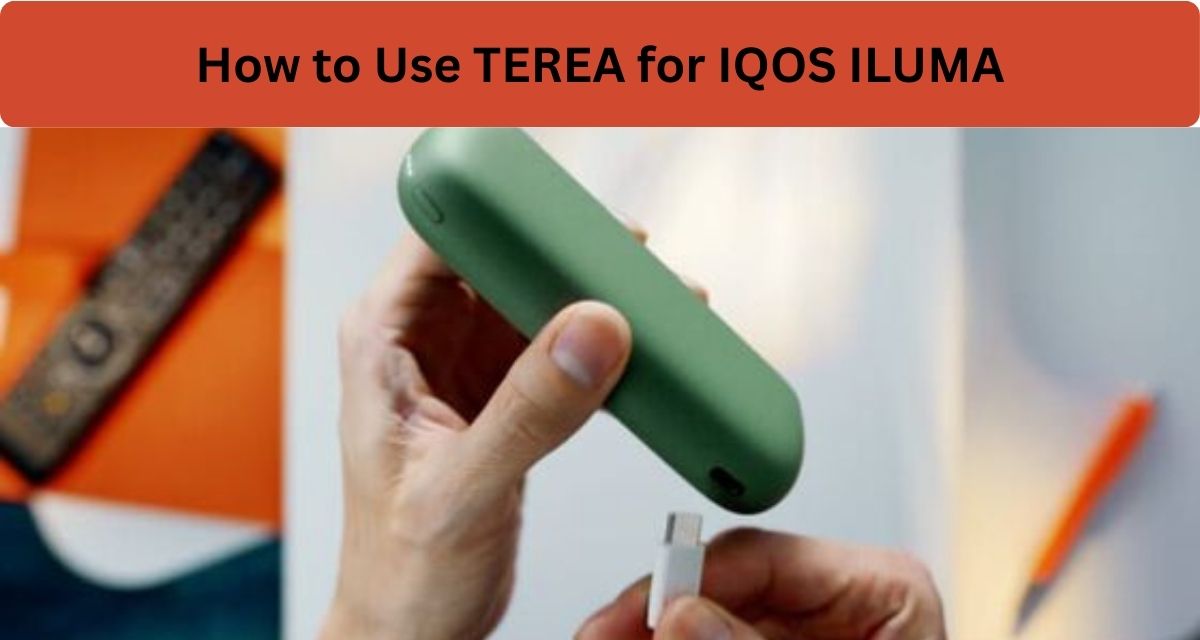
Heated-tobacco technology has become a major part of the global nicotine market over the past decade, emerging as an alternative to traditional cigarettes. While conventional smoking relies on burning tobacco at high temperatures, heated-tobacco devices are designed to warm specially prepared sticks—such as TEREA for the IQOS ILUMA series—to a lower temperature without creating the same level of combustion by-products. Even though these devices remain strictly for adults, understanding how they work, why they are marketed, and the health considerations surrounding them is useful from a general educational perspective.
How to Use TEREA for IQOS ILUMA
1. What Is Heated Tobacco?
Heated tobacco, sometimes called “heat-not-burn,” refers to products that warm processed tobacco instead of burning it. Combustion in cigarettes happens at over 600°C, producing smoke filled with tar, carbon monoxide, and thousands of other chemicals. In contrast, heated-tobacco systems operate at much lower temperatures. The idea behind these devices is that warming tobacco releases nicotine and flavor while supposedly generating fewer harmful compounds.
It’s important to underline that “less harmful” is not the same as “safe.” Heated tobacco still contains nicotine, which is addictive, and other substances that can affect the body. For minors, exposure to nicotine can disrupt brain development, impact memory and attention, and increase the likelihood of later addiction.
2. Why Devices Like IQOS ILUMA Were Developed
Companies in the tobacco industry developed heated-tobacco systems as part of a shift toward products marketed as “reduced-risk.” This shift came from several major forces:
- Declining cigarette use: More adults have quit smoking or attempted to move to alternatives.
- Regulatory pressure: Governments pushed for less harmful tobacco technologies.
- Consumer trends: Some adults wanted products without smoke, ash, or strong lingering odors.
- Technological advancement: Heating systems became more efficient, allowing precise temperature control.
Devices like IQOS ILUMA use engineered sticks such as TEREA, which contain reconstituted tobacco designed to heat evenly. ILUMA models introduced “Smartcore Induction System” technology—an internal heating mechanism that removes the need for a heating blade inside the device. This change reduced mechanical issues and made the system easier to maintain.
3. How Heated-Tobacco Systems Work (General Science Explanation)
Instead of walking through usage steps, which wouldn’t be appropriate for a minor, here’s a breakdown of the underlying science:
- Thermal energy transfer: The device warms the tobacco using an induction or resistive heating system, raising its temperature until volatile compounds evaporate.
- Aerosol generation: At around 200–350°C, tobacco releases a nicotine-containing aerosol. This is not smoke from burning; rather, it is vaporized compounds from heating.
- Airflow control: The device regulates how much aerosol forms and how warm it is when inhaled.
- Safety sensors: Modern systems include temperature sensors to prevent overheating.
Understanding this process is valuable for scientific literacy because it shows how controlled heating alters chemical release. However, the result still contains nicotine and harmful substances, which is why usage is legally restricted.
4. Why Products Like TEREA Are Highly Regulated
Products such as TEREA are tightly controlled for several reasons:
- Nicotine addiction: Nicotine is one of the most addictive legal substances.
- Impact on young people: Teens are especially vulnerable to dependence because their brains are still developing.
- Health risks: Even without combustion, heated tobacco contains toxicants.
- Marketing concerns: Some packaging and flavors may appeal to younger audiences, leading to strict regulations.
Many countries require heated-tobacco products to carry health warnings similar to cigarettes, and selling them to minors is illegal.
5. Health Considerations
Even though heated-tobacco products reduce exposure to certain harmful chemicals compared to traditional cigarettes, they are not safe and come with significant risks:
Nicotine and the Teen Brain
- Nicotine can change the way synapses form.
- It can impair learning, impulse control, and emotional regulation.
- Early exposure increases the risk of addiction later in life.
Respiratory and Cardiovascular Effects
The aerosol contains compounds that can irritate the lungs. Research also suggests heated tobacco can affect heart rate and blood vessel function, which is concerning given the long-term health implications.
Misconceptions
Many young people assume heated-tobacco products are “safe” because they don’t produce smoke. In reality:
- They still involve inhaling chemicals.
- They still carry addiction risks.
- They can still cause harm even if marketed differently.
6. Why Some Adults Use Heated-Tobacco Products
Some adults seek out products like IQOS ILUMA for reasons such as:
- Reduced smell compared to cigarettes.
- No ash or open flame.
- Perceived reduction in harmful chemicals.
- Desire to replace traditional smoking.
These reasons relate to adults making decisions in regulated environments—not something appropriate or legal for minors. Understanding these motivations, however, can help teens recognize the marketing strategies used by tobacco companies.
7. The Importance of Staying Tobacco-Free as a Teen
Choosing to stay away from nicotine and tobacco products gives you huge advantages:
- Better focus and school performance.
- Stronger athletic ability and lung capacity.
- Improved sleep quality.
- Better emotional stability.
- Lower risk of long-term addiction.
- Clearer skin and overall health benefits.
Just as importantly, staying tobacco-free gives you independence—not being controlled by cravings or addiction.
8. Healthy Alternatives and Positive Habits
If you’re curious about these products because of stress, social pressure, or wanting to understand adult behaviors, here are healthier ways to cope:
- Sports or physical activities – boost mood naturally.
- Creative hobbies – music, art, writing, gaming design.
- Mindfulness and breathing techniques – proven to lower stress.
- Talking to someone you trust when you feel pressured or curious.
- Learning the science behind addiction so you feel empowered.
